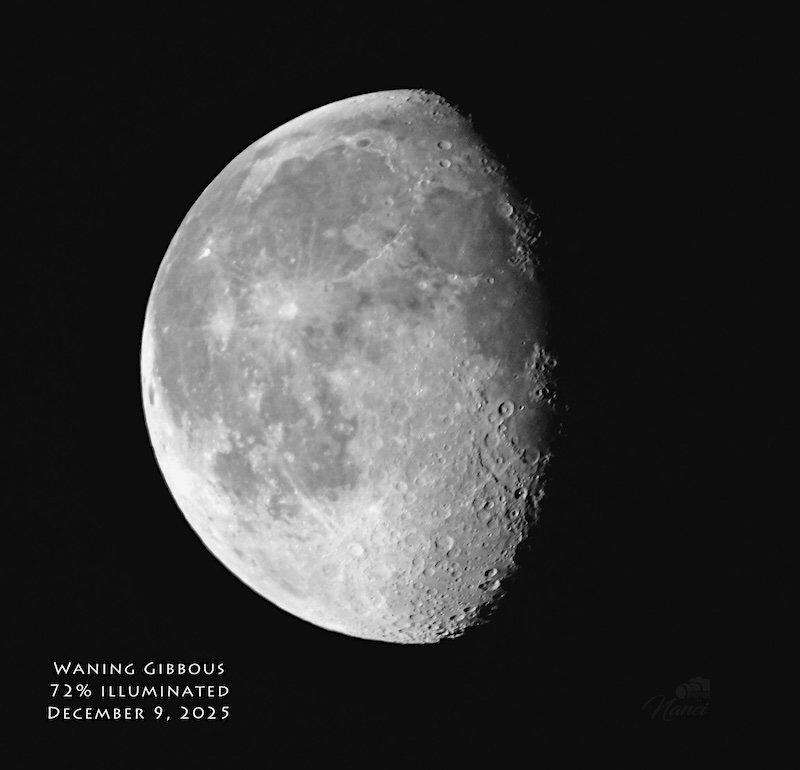
Waning gibbous moon
Between full and last quarter moon – late at night or in the early morning – you might catch the moon in its waning gibbous phase. It’ll appear less than full but more than half-lighted. A full moon rises just at sunset. But a waning gibbous moon rises later at night than a full moon. You’ll catch it ascending over your eastern horizon somewhere between your local sundown and midnight.
A waning gibbous moon can surprise you if you happen to be out late in the evening and you catch it rising eerily, some hours after sunset. It’ll be glowing red like a misshapen full moon when it’s near the horizon.

Sometimes you’ll notice it in the daytime sky
A waning gibbous moon also initiates a rash of questions about seeing the moon during the day.
If it rises late at night, you know the waning gibbous moon must set after sunrise.
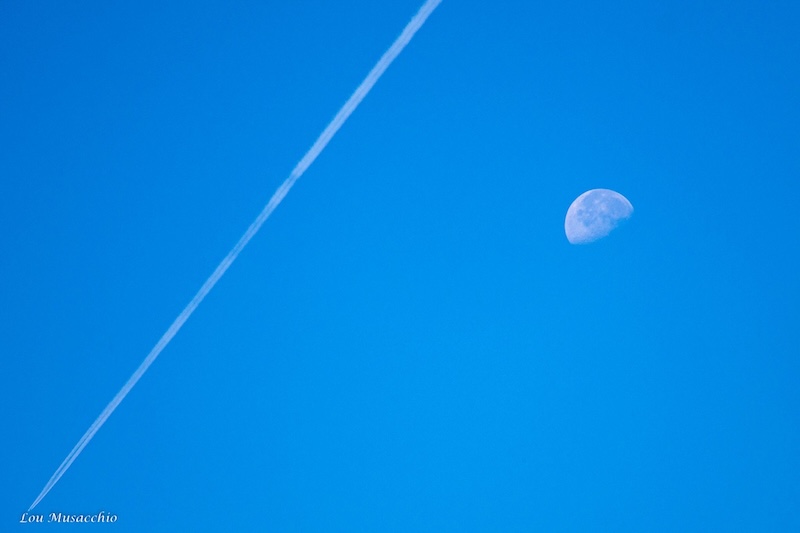
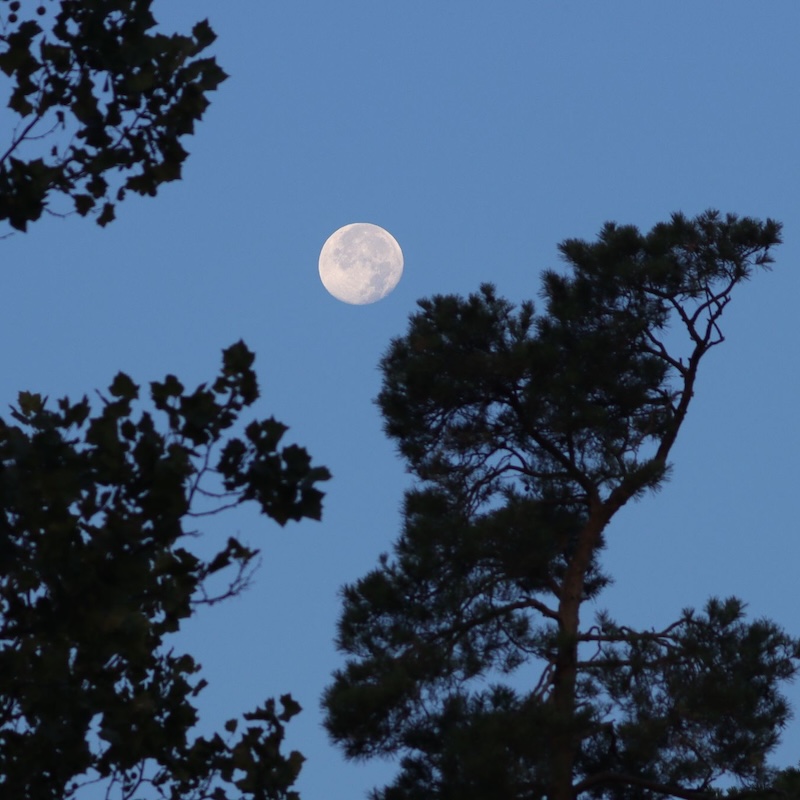
Yes, the moon is up in the daytime for half of every month. It’s just not as obvious then because a daylight moon is so pale, and the sun is so bright. And if the moon is close to the sun, bright sunlight will drown it from view. Watch for the daylight moon in the west in the days following a full moon. You’ll see it in early morning, floating like a pale ghost against the blue sky.
Understanding moon phases
As the moon orbits Earth, it changes phase in an orderly way. Follow the links below to understand the phases of the moon.
New moon
Waxing crescent moon
First quarter moon
Waxing gibbous moon
Full moon
Waning gibbous moon
Last quarter moon
Waning crescent moon
Bottom line: See the waning gibbous moon between the full and last quarter phases. It’s best viewed from late night through early morning.
Like what you read?
Subscribe and receive daily news delivered to your inbox.
More from
Deborah Byrd


Earthquake in Japan triggers mall collapse in Kumamoto

Return of Orion the Hunter, ghost of the summer dawn
Wildfires in Spain and France: 200,000 forced to flee
Find M4: An easy to spot globular cluster near Antares