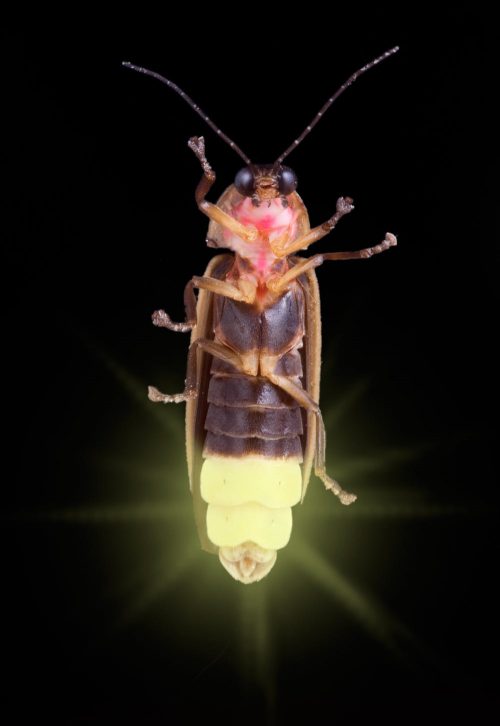
Whether you call them lightning bugs or fireflies, these beetles are a sign of summer. Indeed, you’re most likely to see them in warm weather, when rainfall has been plentiful. Many a child has spent a summer evening chasing them. And, with this in mind, maybe you’ve wondered: Why do fireflies light up? And how do they do it?
How fireflies light up
First, let’s talk about the how. The light of a firefly is a chemical reaction caused by an organic compound – luciferin – in their abdomens. As air rushes into a firefly’s abdomen, it reacts with the luciferin. Consequently, it causes a chemical reaction that gives off the firefly’s familiar glow. This light is sometimes called cold light because it generates so little heat.
According to Firefly.org:
Scientifically, fireflies are classified under Lampyridae, a family of insects within the beetle order Coleoptera, or winged beetles. There are estimated to be 2000+ firefly species spread across temperate and tropical zones all over the world.
In addition, fireflies can regulate the airflow into their abdomens to create a pulsating pattern.
Why fireflies light up
First, fireflies light up for safety. Some experts think the firefly’s flashy style may warn predators of the insect’s bitter taste. On the other hand, some frogs don’t seem to mind the flavor. In fact, they eat so many fireflies that they themselves begin to glow.
Second, fireflies light up for romance. Male fireflies’ light signals their desire for mates. Also, willing females attract males with flashes of their own.
Lastly, fireflies light up to attract dinner. While each firefly species has its own pattern of flashing, some females imitate the patterns of other species. As a result, males land next to them, only to be eaten alive.
So, the next time you see a firefly, keep in mind that its flickering isn’t just a wonder of the night. Indeed, it’s also a unique, and sometimes deadly, language of love.
Photos from the EarthSky community
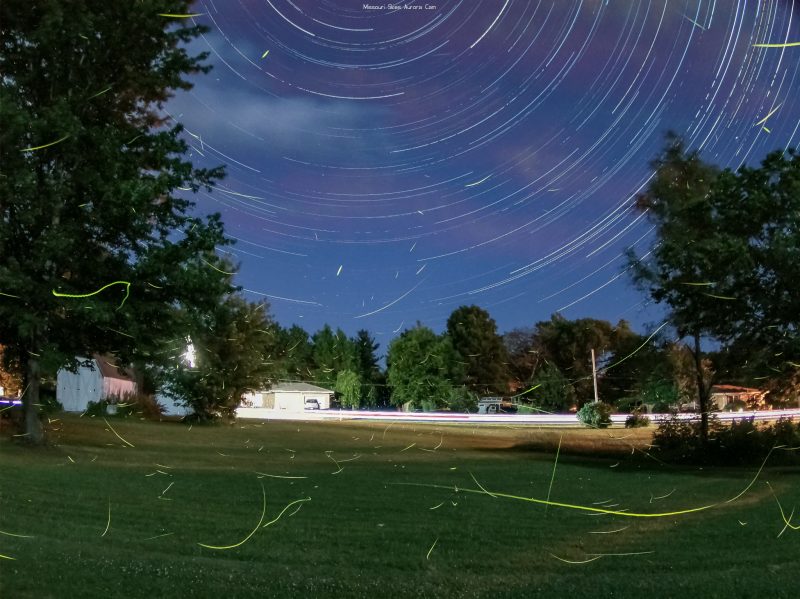
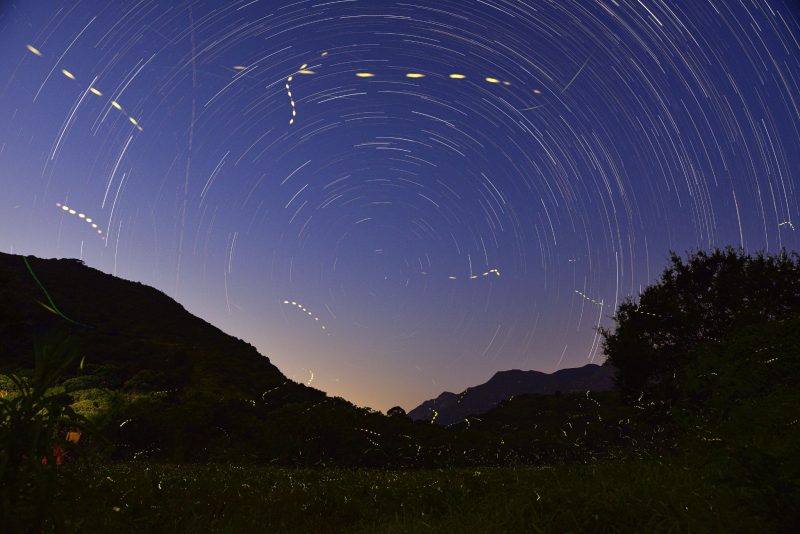
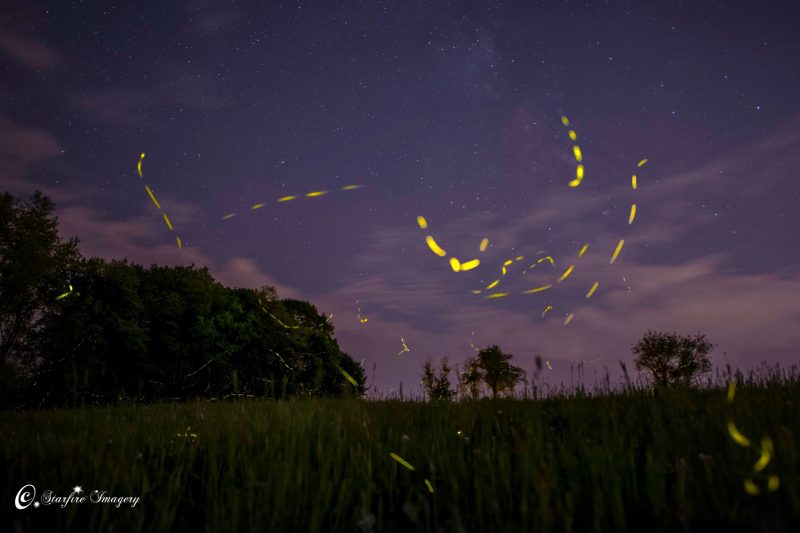

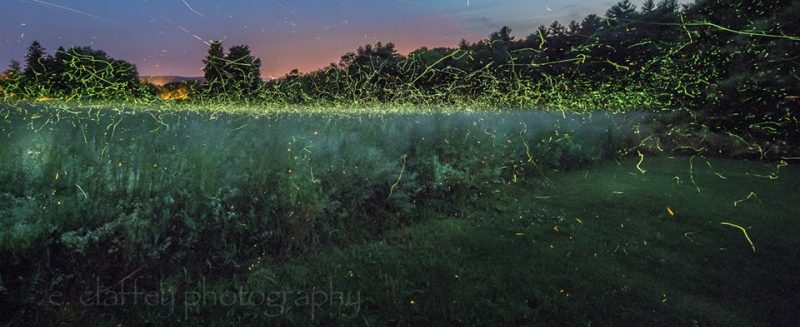

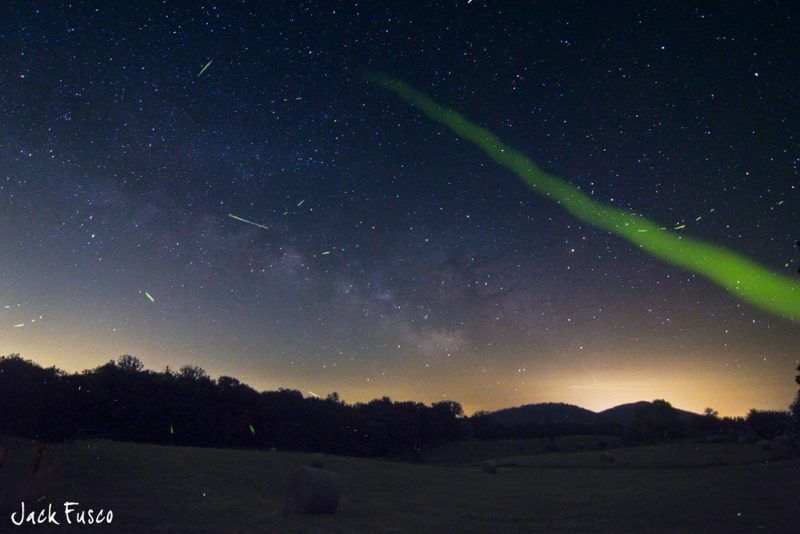
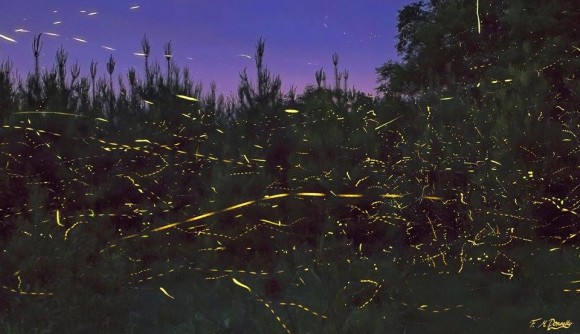
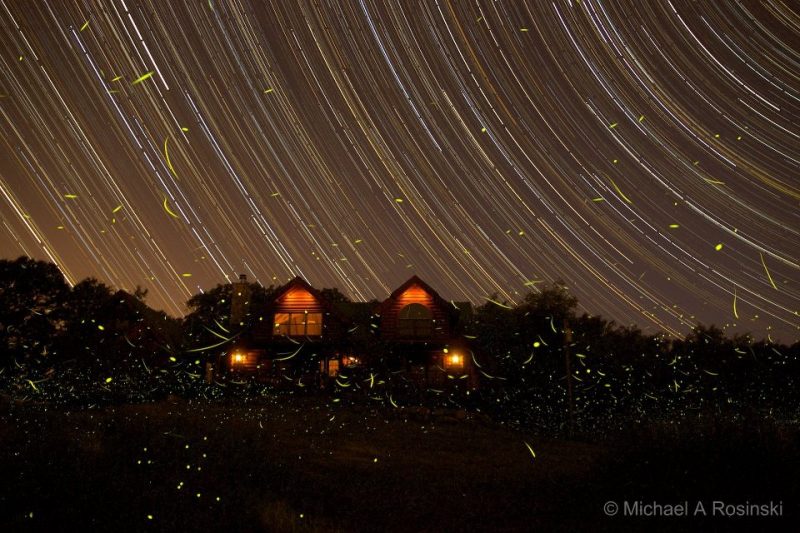

Bottom line: Fireflies – aka lightning bugs – light up because of a chemical reaction between an organic compound in the fireflies’ abdomens – called luciferin – and the air.
Enjoying EarthSky? Sign up for our free daily newsletter today!
Like what you read?
Subscribe and receive daily news delivered to your inbox.
More from
Editors of EarthSky


Mercury is farthest from the sunset on June 15

Earliest sunrises come before the summer solstice
Celebrate World Oceans Day today, June 8, 2026